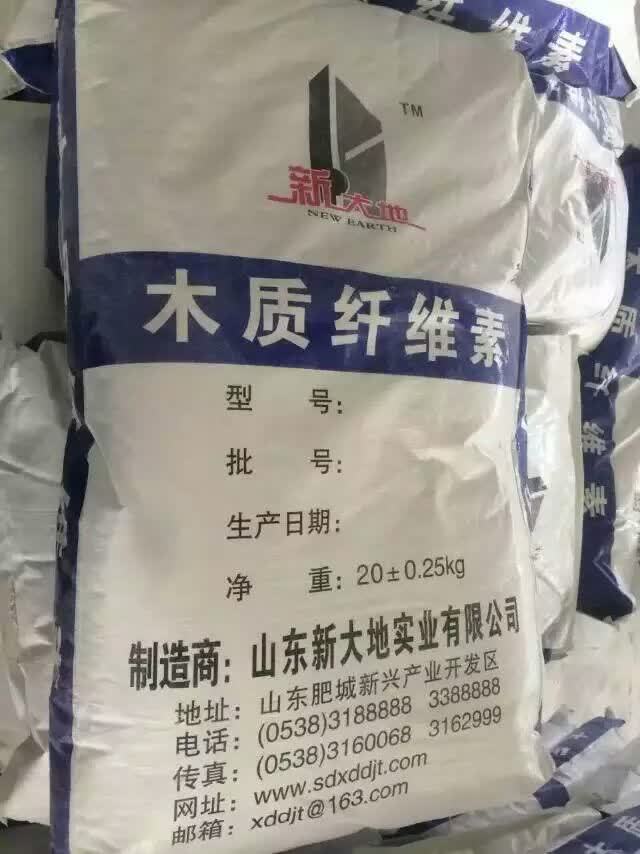
Main Applications of Wood Fiber
Release Time:
2021-04-21
Source:
Main Applications of Wood Fiber
Cellulose ether (methyl cellulose) is an organic, flocculent fibrous material obtained by chemically treating and mechanically processing natural, renewable wood. Cellulose ether is non-toxic, odorless, pollution-free, and non-radioactive, making it an essential raw material in the production of dry-mix mortars. It is primarily used in putty powders, tile adhesives, thermal-insulation mortars, waterproof mortars, wall mortars, self-leveling mortars, concrete mortars, grouting materials, gypsum products, relief coatings, and interior and exterior wall coatings. It effectively prevents coating cracking, enhances water retention, improves production stability and workability, increases strength, and strengthens adhesion to substrates. Its key technical functions include thixotropy, protection, absorption, carrier action, and filling.
Main applications:
I. Building Waterproofing
Fiber-reinforced mortar can effectively address the technical performance shortcomings associated with the innovative application and development of modern engineering technologies, such as structural self-waterproofing and roofing systems.
II. Grout
1. Excellent water-retention properties extend the working time and enhance work efficiency. High lubricity ensures easier, smoother application.
2. Enhance shrinkage resistance and crack resistance, and improve surface quality.
3. Provides a smooth, uniform texture and enhances the adhesion of the bonded surfaces.
III. Self-Leveling Floor Materials
1. Increases viscosity and can be used as an anti-settling additive.
2. Enhance fluidity and pumpability, thereby improving paving efficiency.
3. Control water retention to significantly reduce cracking and shrinkage.
IV. Masonry Mortar
1. Enhances adhesion to masonry surfaces and improves water retention, thereby increasing the strength of the mortar.
2. Enhances lubricity and plasticity, thereby improving workability, facilitating application, saving time, and ultimately enhancing cost-effectiveness.
V. Cement-Based Plastering Mortar
1. Enhances homogeneity, making the plaster mortar easier to apply while improving its resistance to slippage and sagging. It also boosts fluidity and pumpability, thereby increasing work efficiency.
2. High water-retention properties extend the workability of the mortar, improve construction efficiency, and promote the development of high mechanical strength during setting.
3. Control the ingress of air to eliminate microcracks in the coating, thereby forming an ideally smooth surface.