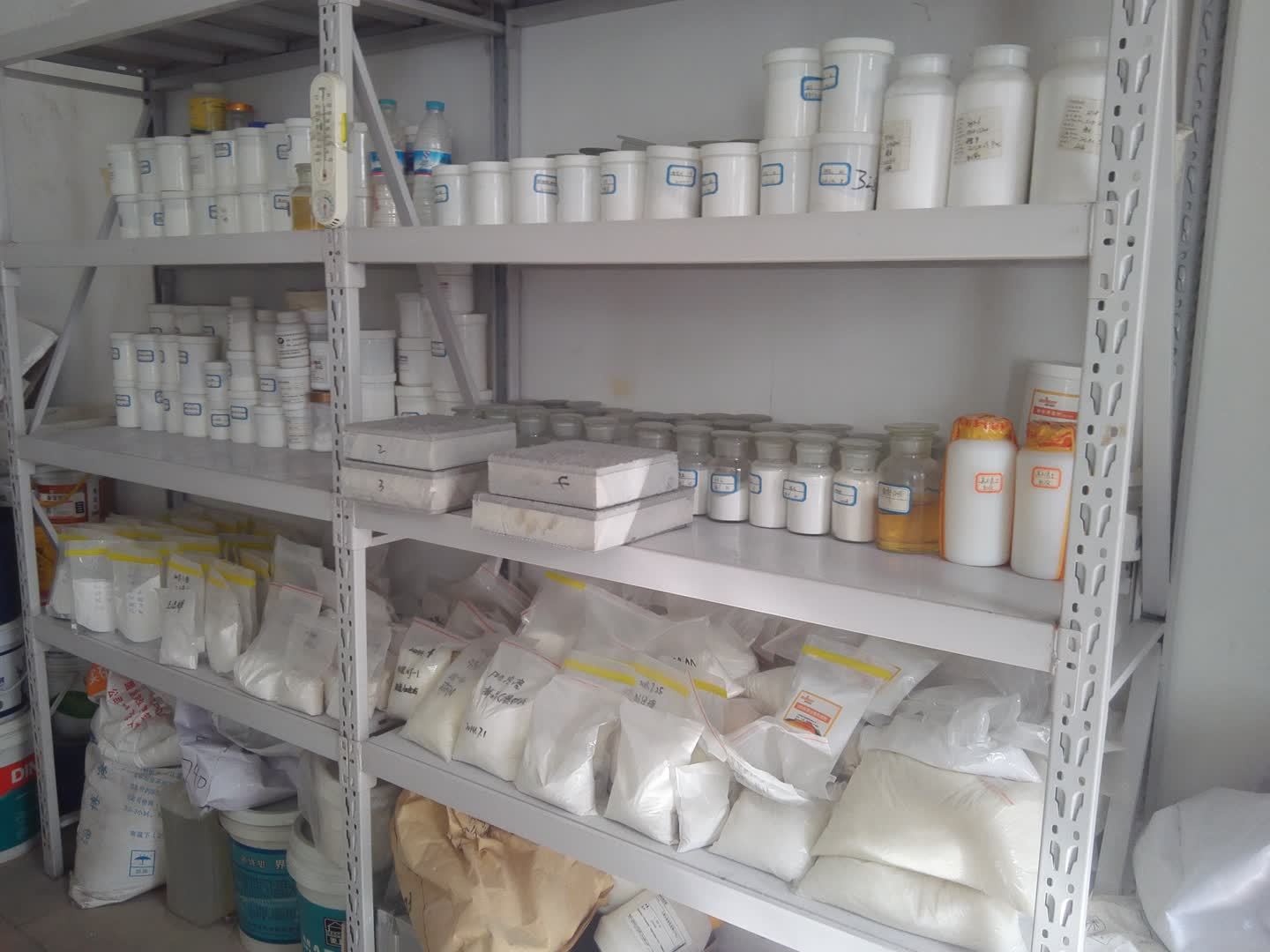
Technical Performance Advantages of Powdered Polycarboxylate Superplasticizer
Release Time:
2021-04-15
Source:
Recommended dosage of polycarboxylate superplasticizer for powders
The recommended dosage of water-reducing admixture is 0.1% to 0.3% of the cement mass. Polycarboxylate superplasticizer in powder form is a powdered product whose main component is polycarboxylate salt, with a solid content of about 98%. The typical dosage range is 0.1% to 0.3%; even at a low dosage of only 0.06%, it can achieve a water-reduction rate of 12% and a strength increase of 23%, surpassing the performance of commercially available conventional pumping admixtures. At a dosage of 0.1%, its performance exceeds that of conventional naphthalene-based and melamine-based high-efficiency water reducers. However, when the dosage is below 0.14%, the superior workability is not clearly evident. Once the dosage reaches 0.20% or more, the concrete’s workability and pumpability are elevated to an exceptionally high level. For high-grade concrete containing large amounts of fly ash or ground granulated blast-furnace slag, as well as for concrete with special requirements, the dosage may be increased to 0.3%.
Process characteristics of polycarboxylate superplasticizer for powders:
The polycarboxylate powder is produced using a non-conventional thermal synthesis process, which significantly reduces energy consumption and production costs. No release agents are added, resulting in a higher product purity and a solid content of approximately 98%. In terms of performance, the high-purity product requires a lower dosage, boasts a higher active ingredient content, and exhibits excellent slump retention, thereby further reducing customer costs.
Method of Use for Powdered Polycarboxylate Superplasticizer
1. Based on the concrete design requirements, the water content or sand ratio shall be adjusted through testing to achieve a slump, strength, and setting time that all meet the specified requirements, thereby determining the appropriate dosage of water-reducing admixture.
2. Suitable for high-performance concrete, high-strength concrete, and highly flowable concrete. When used in concrete grades higher than C50, it is also necessary to select appropriate raw materials in accordance with relevant technical specifications, establish an appropriate mixing process, and obtain a sufficient amount of experimental data. The resulting concrete must exhibit flow properties that meet construction requirements, and its strength should incorporate an adequate margin of safety.
Polycarboxylate-based high-performance water-reducing agents represent a new generation of such admixtures that have emerged both domestically and internationally in recent years. Compared with traditional high-efficiency water reducers such as naphthalene-based products, polycarboxylate-based high-performance water reducers offer numerous distinctive technical performance advantages:
(1) Low dosage, high water-reducing rate;
(2) Exhibits excellent workability retention for concrete mixes;
(3) Good compatibility with cement;
(4) The prepared concrete exhibits low shrinkage, which helps to improve its volume stability and durability.
(5) Environmentally friendly and pollution-free during production and use, classified as a green admixture.
It is precisely because of the aforementioned performance advantages that polycarboxylate-based high-performance water reducers have, in recent years, garnered widespread attention within the engineering community in China, with many major projects now extensively employing this new type of water reducer. It can be anticipated that, owing to these numerous unique performance benefits, polycarboxylate-based high-performance water reducers will inevitably and rapidly become the mainstream product in the water-reducing admixture market.